World 8/17/2026
Malaysia's ECRL Enters Crucial Testing Phase, Signalling Imminent Operations
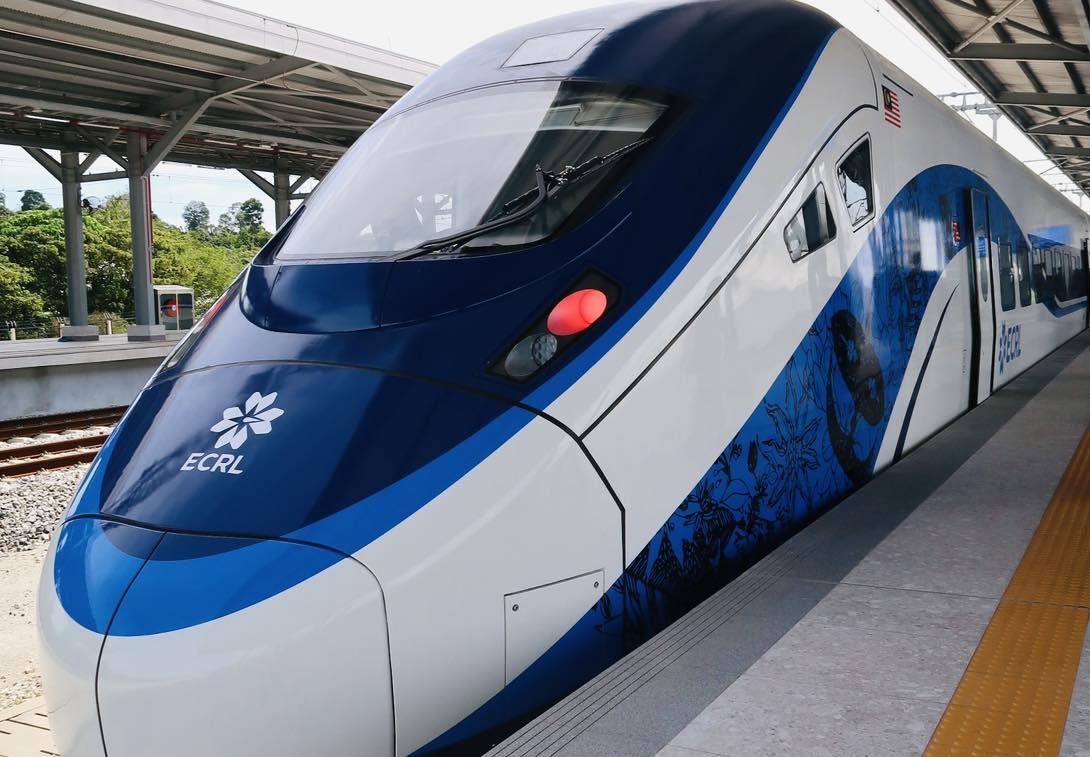
Malaysia's ambitious East Coast Rail Link (ECRL), a cornerstone of China's Belt and Road Initiative, has entered a critical new phase with the commencement of extensive system checks. This includes rigorous System Integration Testing (SIT) and an 8,000-kilometer Fault-Free Run (FFR), moving the mega-project closer to its anticipated commercial operations. With Phase 1, linking Kota Bharu to Gombak, now 95.08% complete, Malaysian Transport Minister Anthony Loke Siew Fook aims to fast-track its launch to early December 2026, ahead of the original January 2027 target.