Culture 7/3/2026
Ultra-Processed Foods Linked to Smaller Brain Regions in Kids, Raising Alarm
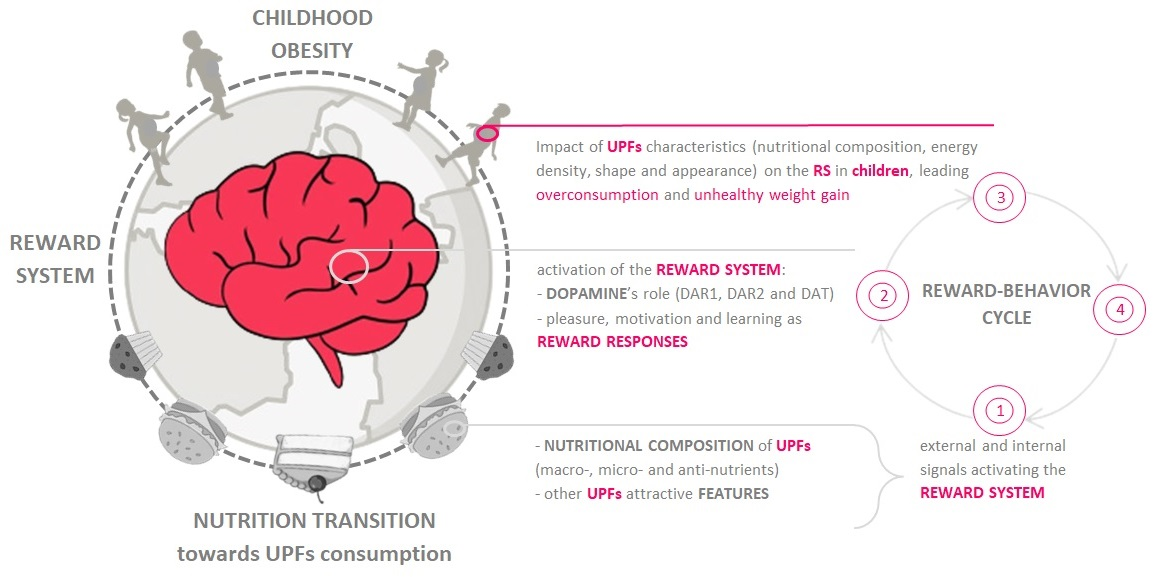
A groundbreaking new study from Children's Hospital Los Angeles reveals that young children consuming a diet high in ultra-processed foods (UPFs) show measurable differences in specific subcortical brain regions by age six, marking a critical, early impact on brain development. For every 10% increase in UPF intake, researchers observed a nearly 2% reduction in the volume of brain areas vital for reward, emotion, and motivation, even before any noticeable dip in cognitive performance. This finding hits hard, especially since over 60% of calories for kids in the U.S. now come from these industrially manufactured foods, like sugary cereals and packaged snacks.






/https%3A%2F%2Fsportsmole-media-prod.s3.gra.io.cloud.ovh.net%2Fuploads%2F2026%2F05%2Fns-photo-badge-email-6a09a8d7f2a6d293985344.jpg)